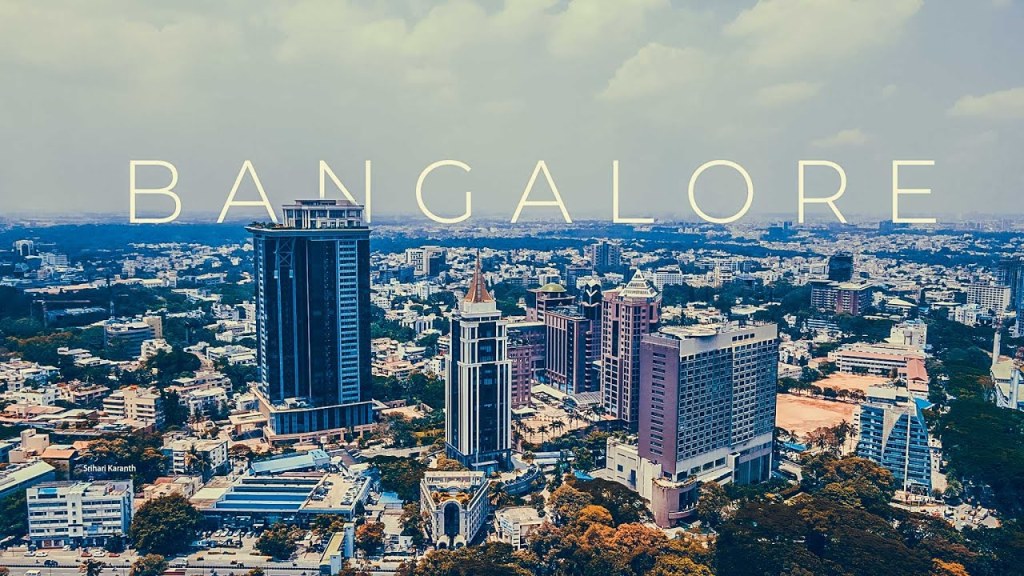
In the heart of South India lies a city where traditions coexist with cutting-edge technology, where tree-lined avenues lead to software parks, and where a simple cup of filter coffee fuels both poetry and programming. Welcome to Bangalore — officially Bengaluru — the capital of Karnataka and one of the most dynamic cities in India.
With its unique blend of history, culture, innovation, and cosmopolitan flair, Bangalore is not just a place on the map, but a living, breathing story of India’s evolution. It’s often called the “Silicon Valley of India” but to restrict Bangalore to its tech title would be to overlook its gardens, lakes, heritage, cuisine, and cultural richness.
Bangalore is a city of beautiful contradictions — where centuries-old temples stand beside gleaming tech towers, and auto rides through chaotic traffic lead to serene parks or buzzing cafés. It’s a place where every day begins with the aroma of fresh filter coffee and ends with conversations about startups, art, or politics. This interplay of calm and chaos, tradition and transformation, makes Namma Bengaluru not just a city you live in, but one you experience deeply — with all your senses.
A Historical Journey

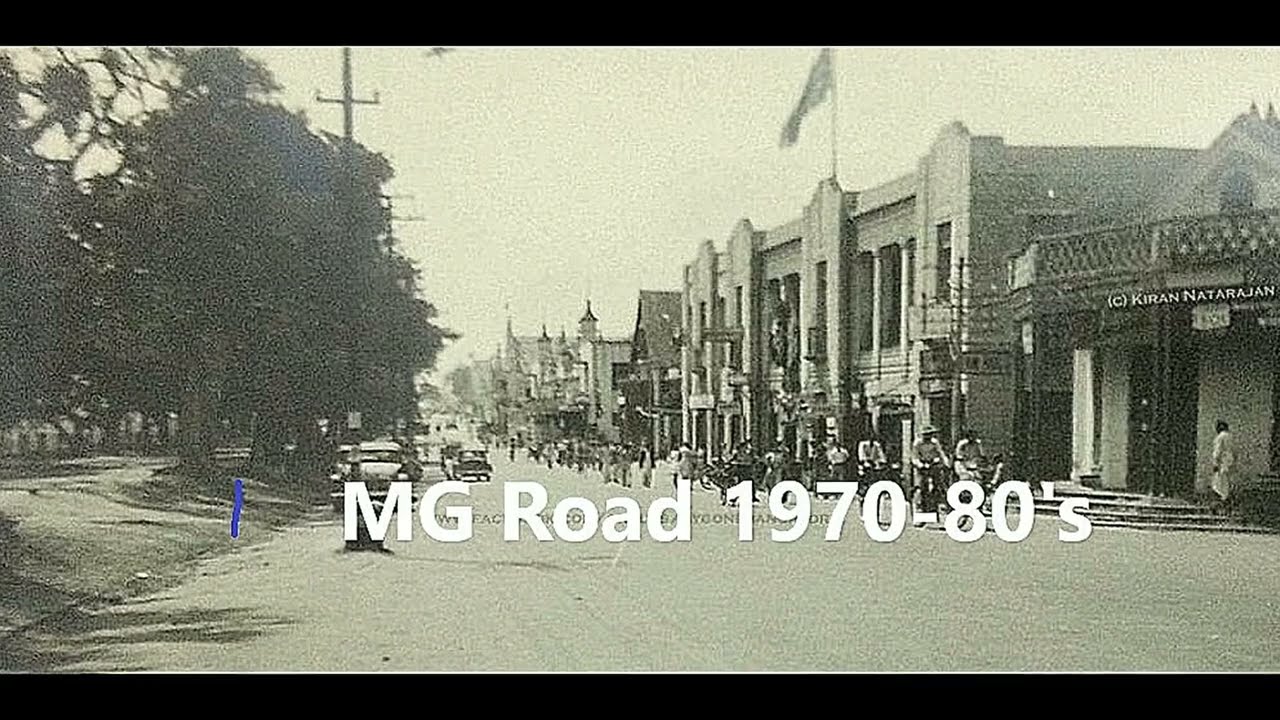
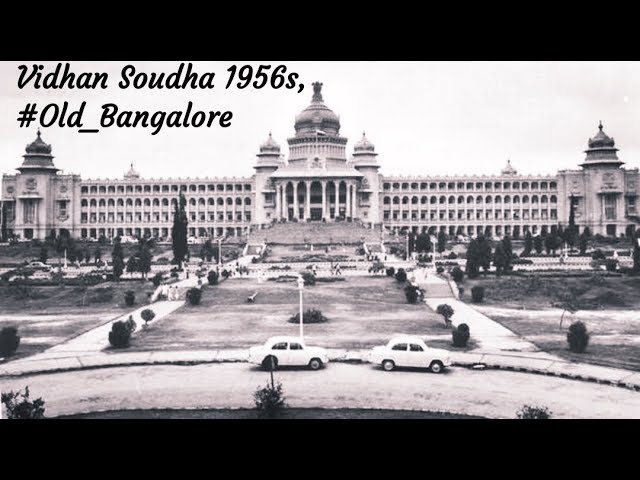
The foundations of modern-day Bangalore date back to 1537, when Kempegowda I, a chieftain under the Vijayanagara Empire, built a mud fort and established a town. Over centuries, it was shaped by various rulers — the Marathas, the Mughals, the Wodeyars of Mysore, and eventually the British, who left behind military cantonments and colonial architecture that still define some of the city’s neighborhoods.
The British influence gave rise to infrastructure and institutions that would later help the city blossom into an educational and technological powerhouse. Bangalore’s dual character — the “old city” with its temples and traditional homes and the “cantonment” area with churches, clubs, and colonial buildings — continues to lend it a unique charm.
In the post-independence era, Bangalore rapidly transformed into a hub for public sector industries, particularly in aerospace, defense, and telecommunications. This laid the groundwork for the city’s emergence as the “Silicon Valley of India” in the late 20th century, driven by the growth of IT companies and tech parks. Today, Bengaluru (as it is officially known) stands as a vibrant metropolis, blending its rich historical legacy with a dynamic modern identity.
The Silicon Valley of India
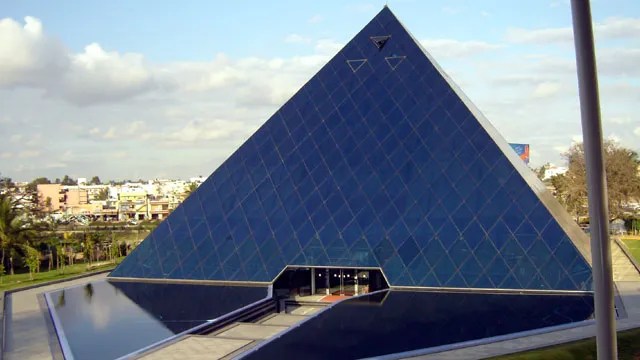
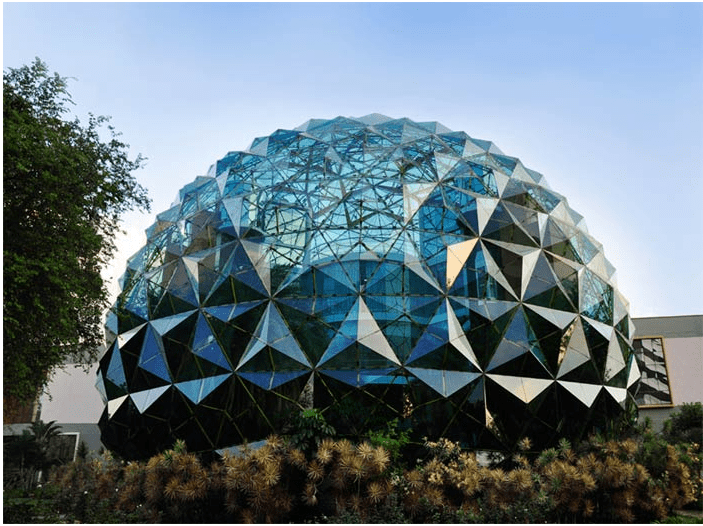
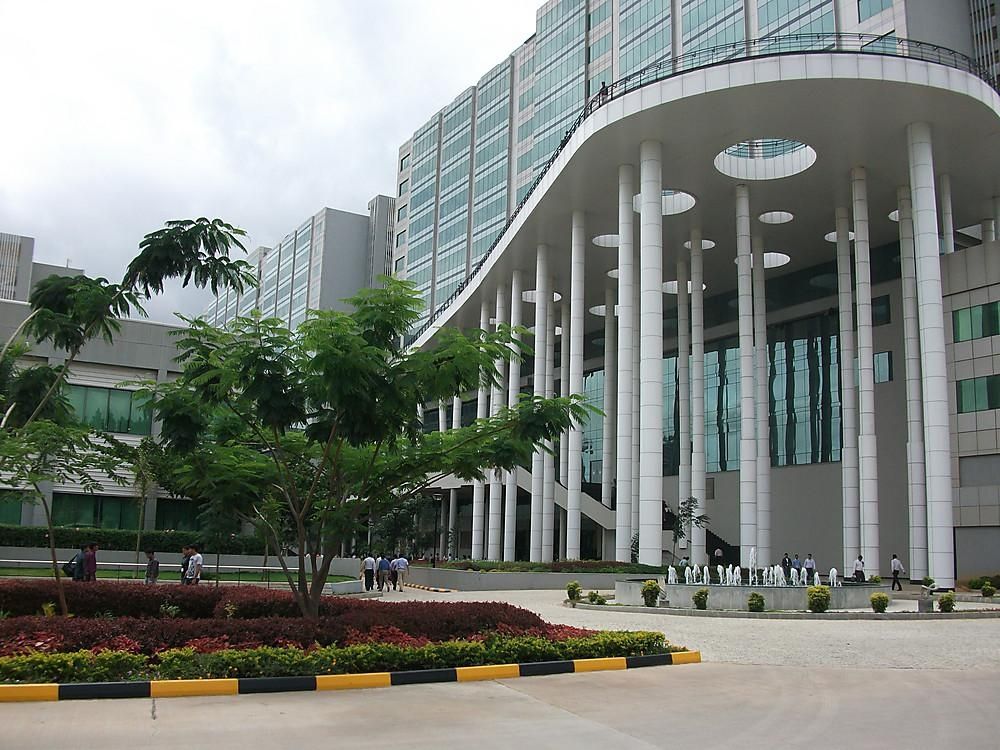
No conversation about Bangalore is complete without acknowledging its stature as India’s IT capital. The city earned this title in the late 1990s and early 2000s, when global giants like Infosys, Wipro, and TCS began expanding their operations. The rise of tech parks like Electronic City, Whitefield, and Manyata Tech Park turned Bangalore into the preferred hub for tech entrepreneurs, startups, and venture capitalists.
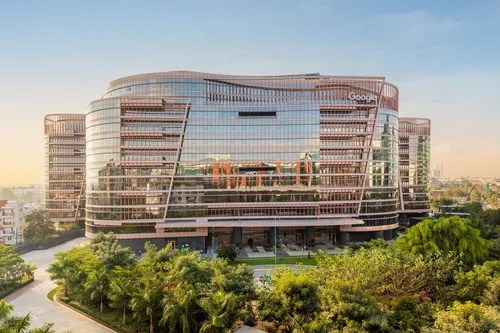
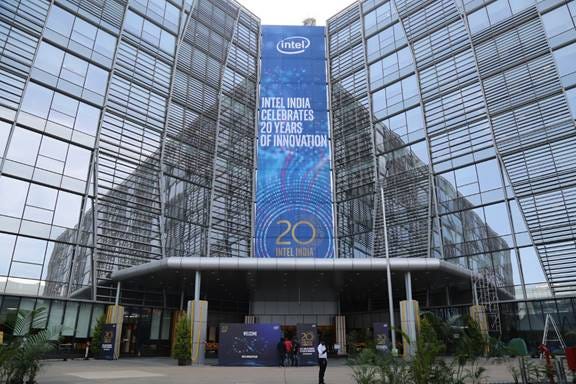
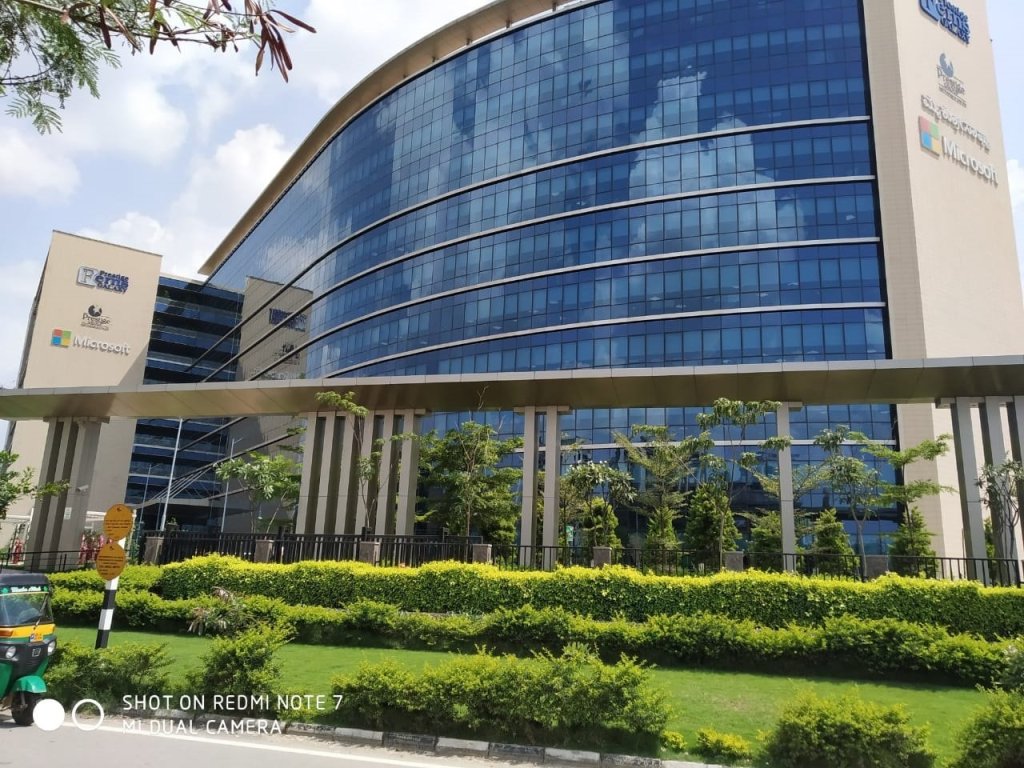
Today, it’s home to over 10,000 startups and numerous multinational corporations like Google, Amazon, SAP, Microsoft, and Intel. Initiatives such as the Karnataka Startup Policy and the presence of premier institutions like IISC (Indian Institute of Science), IIM Bangalore, and IIIT-B have reinforced the city’s innovation ecosystem.
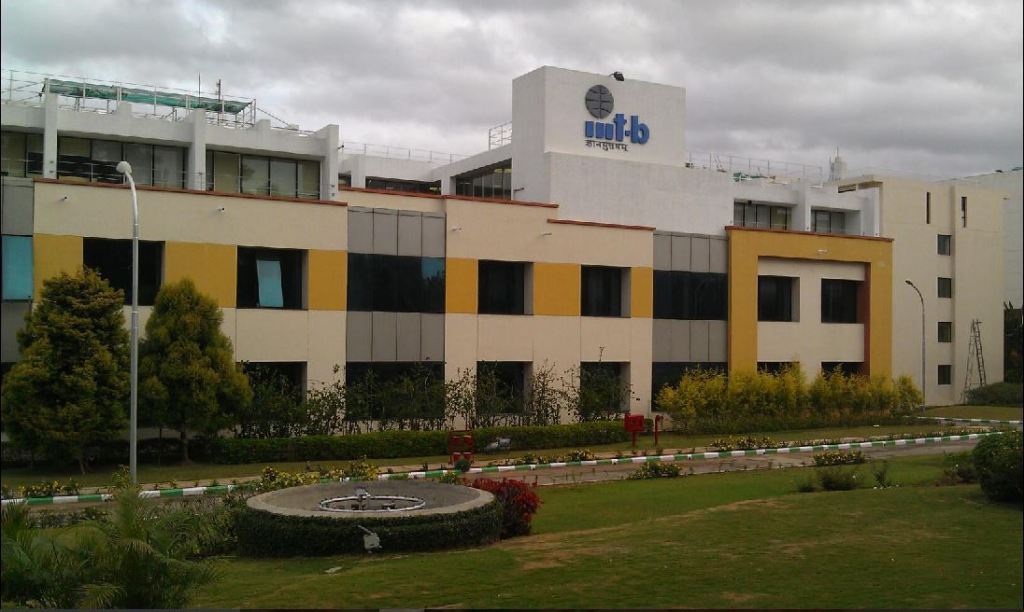
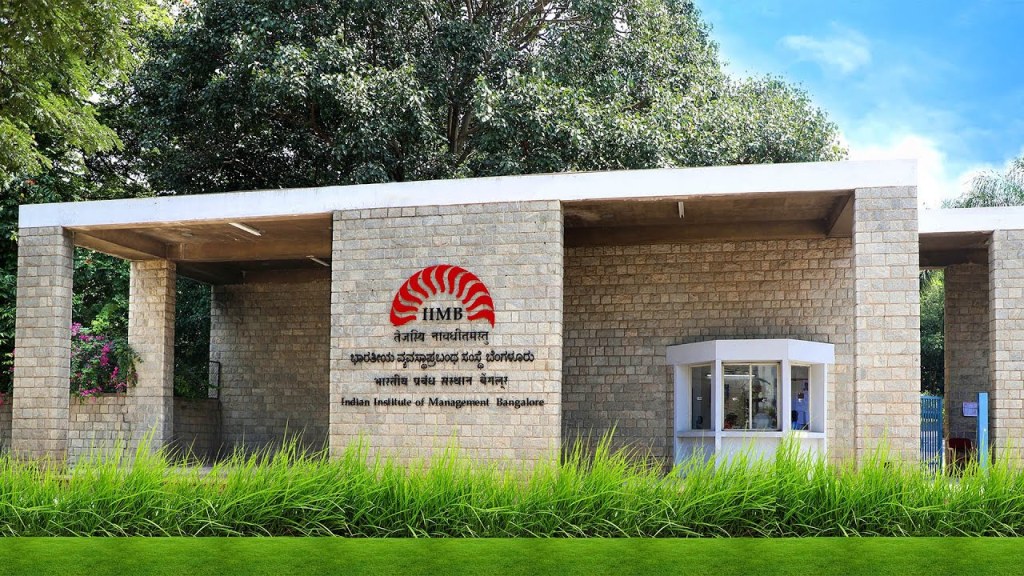
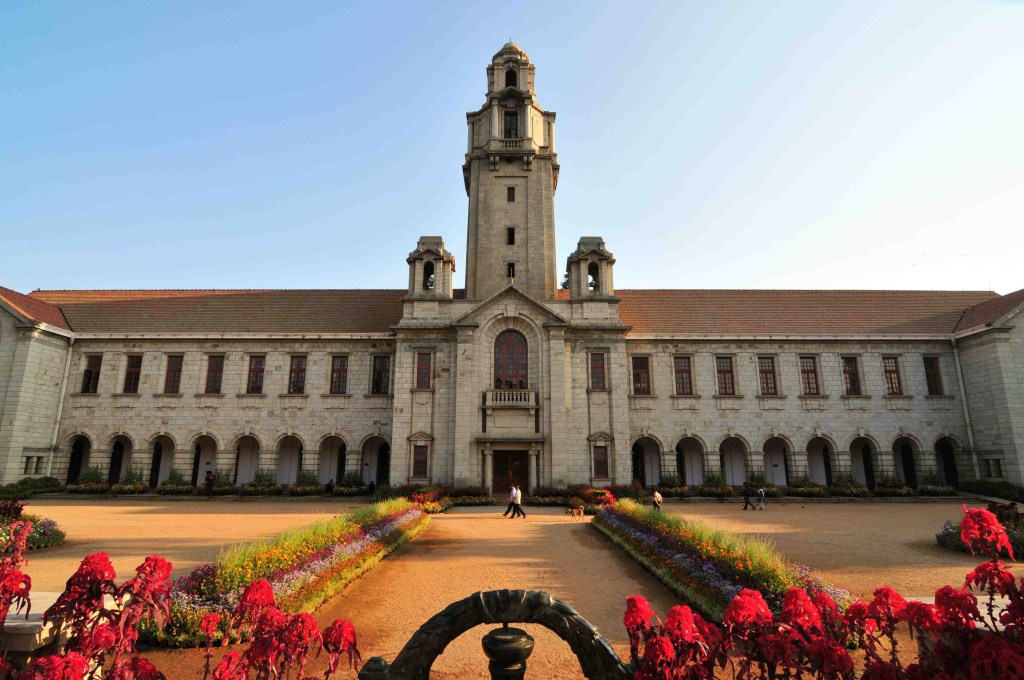
Yet, amidst the jargon of AI, blockchain, and cloud computing, Bangalore retains its human core — a culture that values people, art, and ideas as much as profit and code.
However, this rapid growth has also brought its share of challenges. Bangalore grapples with issues like traffic congestion, strained infrastructure, and environmental concerns, particularly around water scarcity and green space depletion. Despite these hurdles, the city continues to attract talent from across the country and the world, evolving not just as a tech hub but as a space where innovation meets resilience, and where the future of digital India is being shaped every day.
Cultural Heartbeat
Bangalore’s culture is a vibrant amalgam of traditions and modernity. While Kannada is the official language, the city is home to people from all parts of India — and beyond — making it a true melting pot.
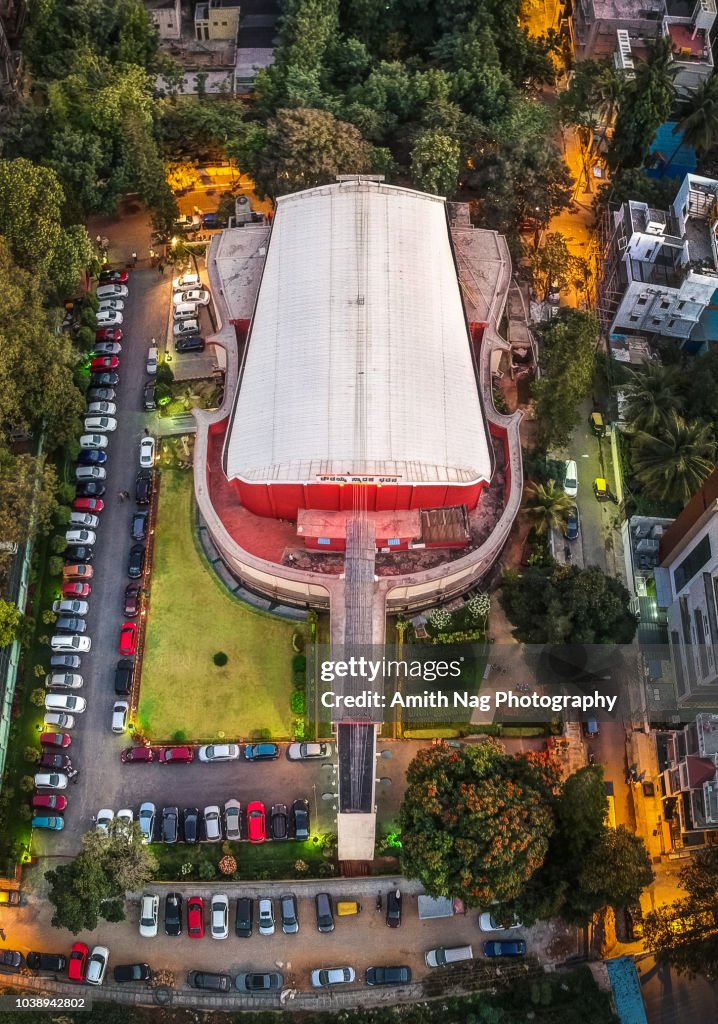
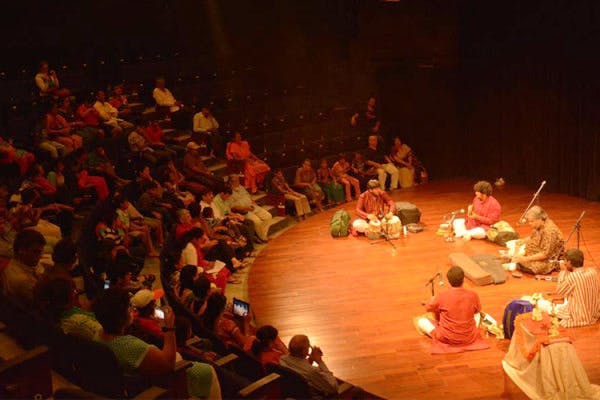
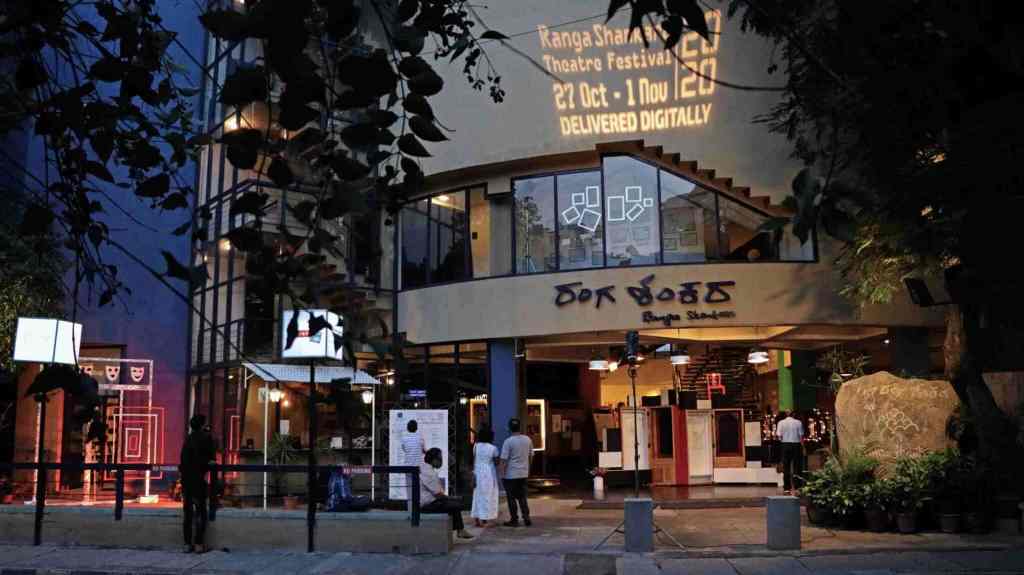
Theatres like Ranga Shankara, Chowdiah Memorial Hall, and Jagriti Theatre are venues where drama, music, and dance come alive. The Bangalore Literature Festival, India Music Experience Museum, and art galleries like National Gallery of Modern Art (NGMA) showcase the city’s intellectual and artistic inclinations.
From Carnatic music concerts in Basavanagudi to stand-up comedy nights in Indiranagar, the city caters to every taste.
Adding to its rich cultural landscape, Bangalore also celebrates a wide range of festivals with enthusiasm — from traditional events like Karaga and Dasara to contemporary celebrations like the Bangalore Habba and Namma Pride. Street art in areas like Church Street and vibrant flea markets such as Sunday Soul Sante reflect the city’s youthful, expressive spirit. This cultural dynamism ensures that Bangalore remains not just a tech hub, but a city where creativity, heritage, and community thrive side by side.
Green Spaces in a Growing Metropolis
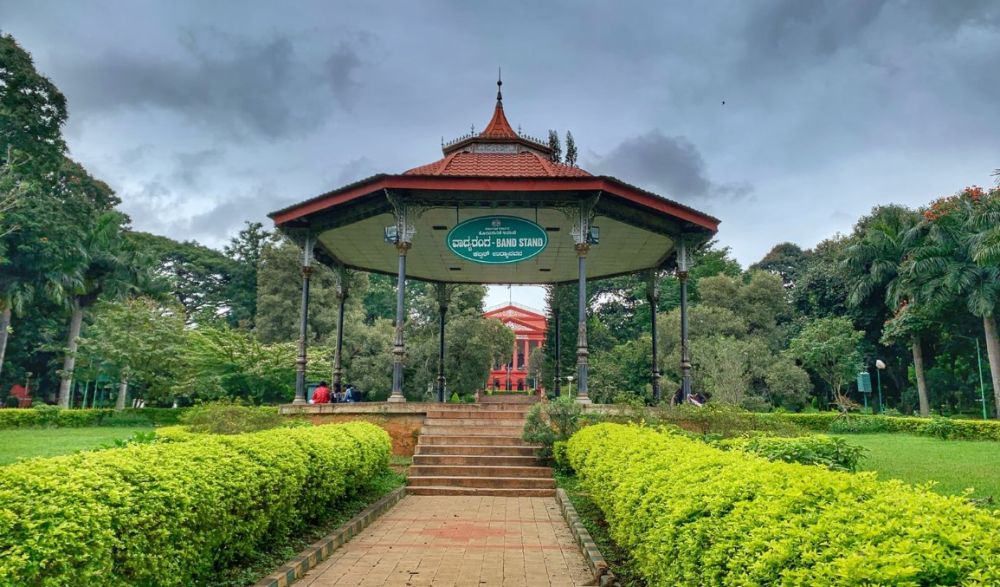
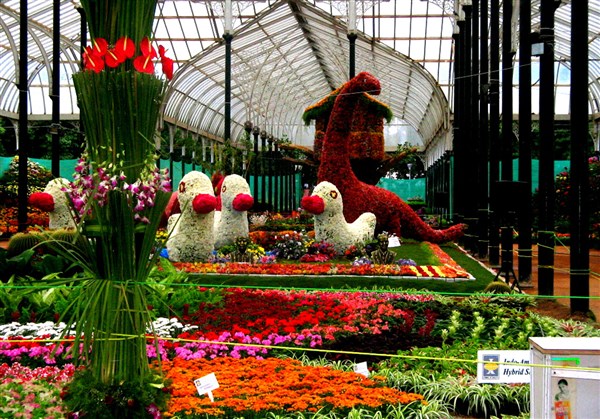
Despite rapid urbanization, Bangalore still retains its identity as the “Garden City of India.” It houses some of the most iconic green spaces in the country:
- Lalbagh Botanical Garden, with its 240-acre spread, glasshouse modeled after London’s Crystal Palace, and rare species of flora.
- Cubbon Park, a tranquil 300-acre area at the city’s center that serves as a natural oasis for walkers, joggers, and readers.
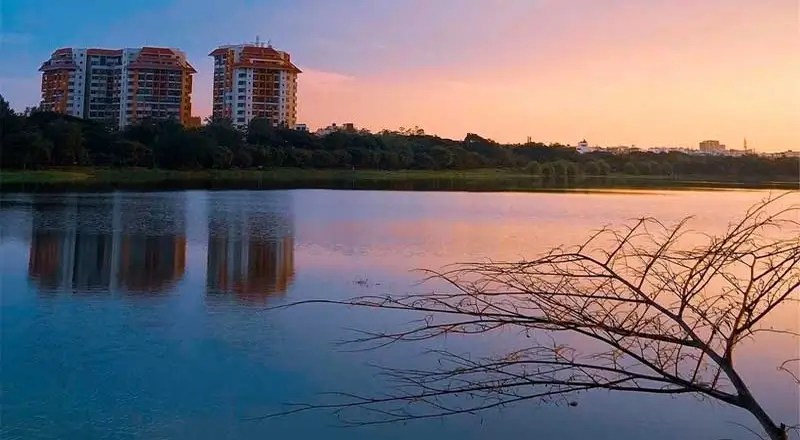


The city also hosts over 190 lakes, including Ulsoor Lake, Agara Lake, and Hebbal Lake — many of which are now undergoing restoration to bring back ecological balance.
Yet, maintaining this green legacy has become increasingly challenging as Bangalore expands to accommodate its growing population and booming industries. Unplanned development, shrinking tree cover, and encroachment of lake beds pose significant environmental threats. In response, citizen-led movements and eco-conscious initiatives—like tree-planting drives, lake clean-ups, and sustainable urban planning efforts—are gaining momentum. These grassroots actions reflect a collective commitment to preserving Bangalore’s green lungs amid its transformation into a global metropolis.
Culinary Delights

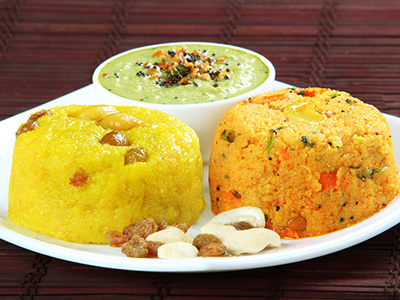



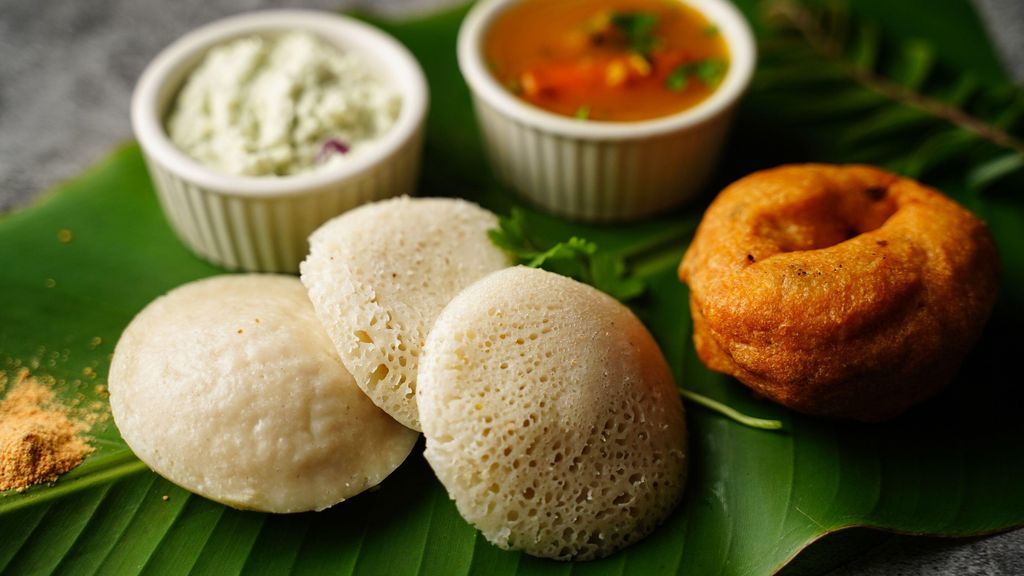
Food in Bangalore is as diverse as its people. The local cuisine reflects the flavors of Karnataka, with iconic dishes like:
- Bisi Bele Bath – A hearty rice and lentil mix.
- Ragi Mudde – Finger millet balls served with spicy sambar.
- Mysore Masala Dosa – A crispy, spicy version of the classic dosa.
- Chow Chow Bath, Idli-Vada, and Filter Coffee – Staples in most darshinis (quick-service eateries).
Beyond South Indian cuisine, the city offers everything from Mughlai to Mediterranean, Thai to Tibetan, and fusion street food to high-end global fare. Neighborhoods like Indiranagar, Koramangala, Jayanagar, and MG Road are brimming with cafes, microbreweries, and bistros.
Adding to its culinary charm is Bangalore’s thriving street food scene and vibrant food festivals. From spicy chaat at VV Puram Food Street to piping hot momos in Koramangala, the city’s streets come alive with aromas and flavors that cater to every craving. Annual events like the Bangalore Food Fete and Sunday Soul Sante celebrate this diversity, bringing together local chefs, homegrown brands, and food enthusiasts. In every bite, Bangalore tells a story — of tradition, experimentation, and a love for good food that unites its cosmopolitan crowd.
A Climate Like No Other
At over 900 meters above sea level, Bangalore enjoys a moderate, pleasant climate almost year-round. Even during the summer months, the nights remain cool. The city’s distinct pre-monsoon showers and gentle winds have inspired poets and musicians for generations.
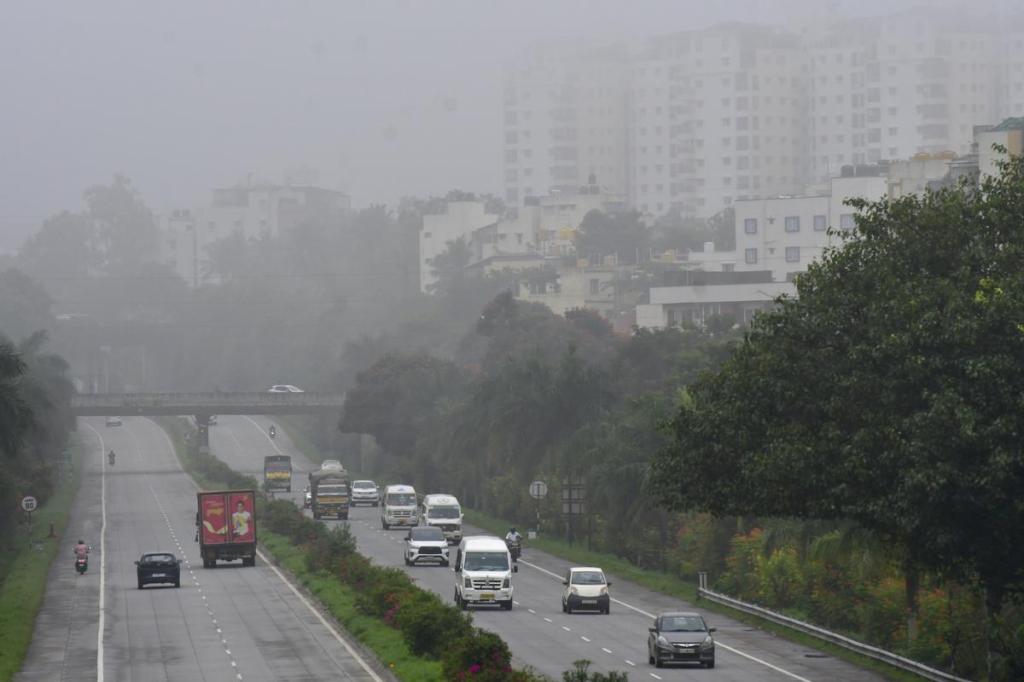
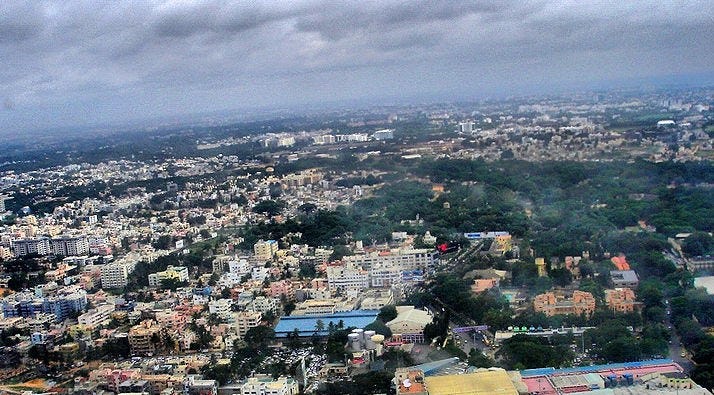
Unlike the sweltering heat of the plains or the chill of the north, Bangalore’s weather strikes a perfect balance, adding to its allure for tourists, expats, and long-term settlers.
However, in recent years, the city’s climate has begun to show signs of strain due to rapid urbanization and loss of green cover. Warmer days, unpredictable rainfall patterns, and increasing pollution levels have sparked concern among environmentalists and citizens alike. Despite these challenges, Bangalore still retains a charm in its breezy evenings and sudden drizzles — reminders of the city’s once idyllic weather, and a call to preserve what makes it truly special.
The Urban Challenge
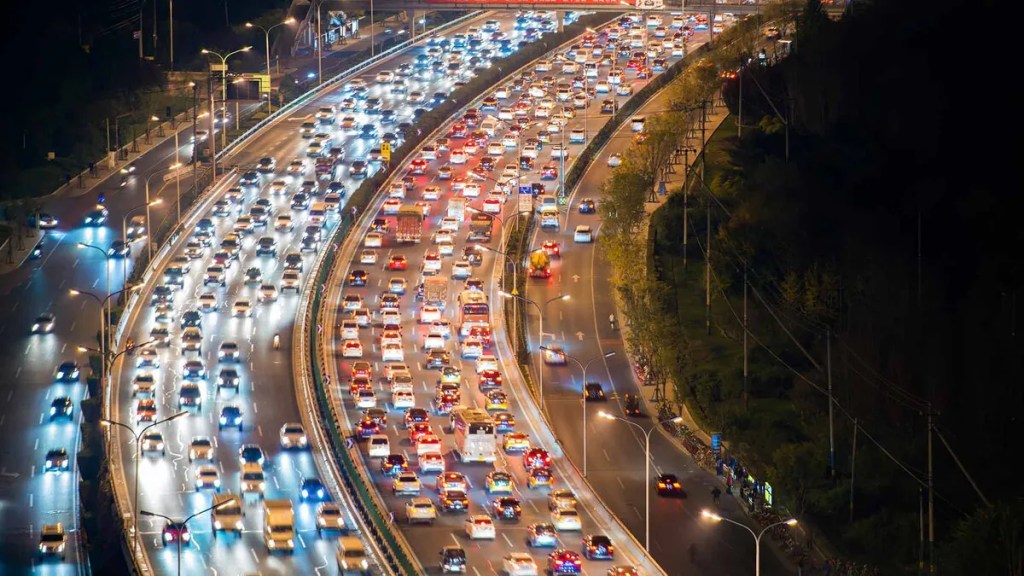
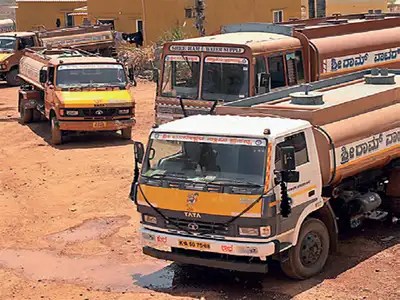

As with any fast-growing metropolis, Bangalore faces its share of urban challenges:
- Traffic congestion: With millions of vehicles and limited road space, traffic is a daily battle.
- Water shortage: The over-reliance on borewells and lack of river-based supply has made water conservation a critical issue.
- Waste management: While the city has launched segregation and composting drives, there’s a long way to go.
- Real estate expansion: As the city grows outward, green cover and farmland are giving way to concrete.
Yet, Bangaloreans are actively engaging in civic activism, lake rejuvenation programs, tree plantation drives, and eco-conscious startups aimed at reversing these trends.
Adding to these efforts, the government has also begun investing in long-term infrastructure solutions like the Namma Metro expansion, smart traffic management systems, and improved public transport to ease urban stress. Tech-driven initiatives, including data-driven urban planning and sustainable architecture, are slowly reshaping the city’s landscape. While challenges persist, a blend of citizen involvement, policy reform, and innovation offers hope that Bangalore can evolve into a more livable, resilient, and sustainable urban model.
Neighborhoods That Tell Stories
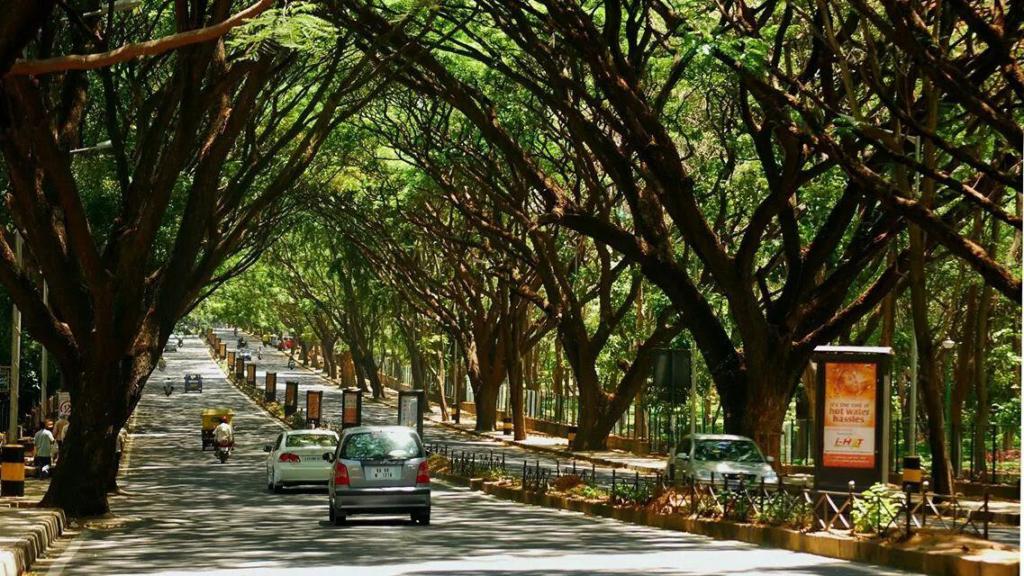
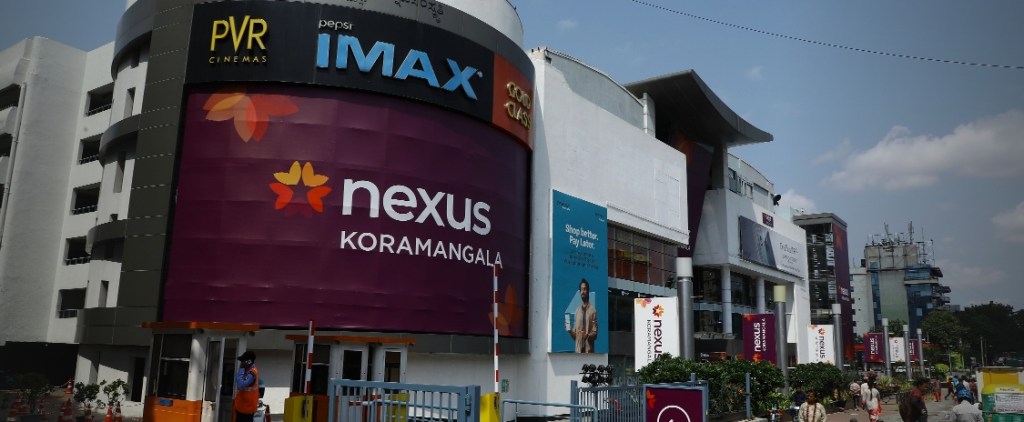
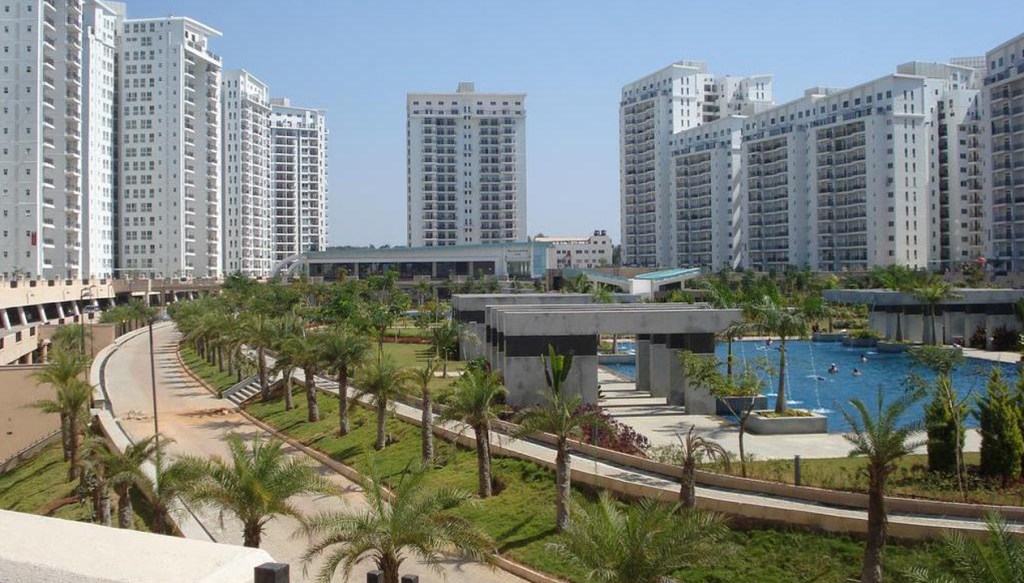
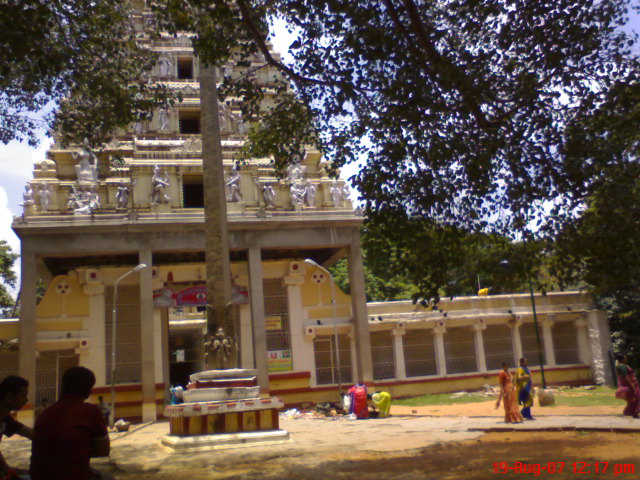
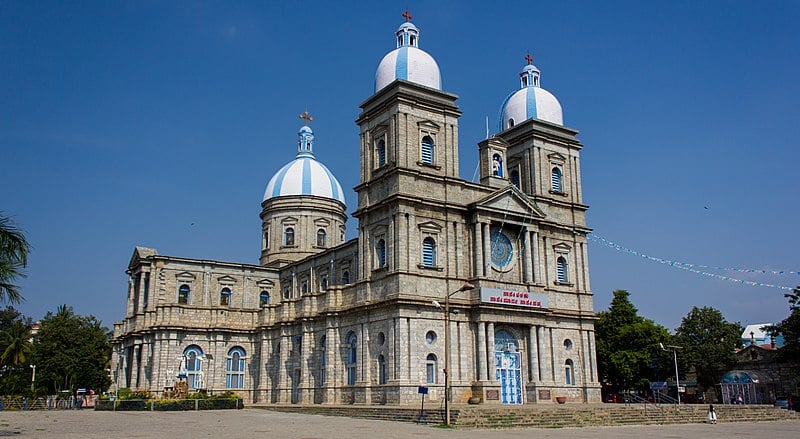
Bangalore is a city of neighborhoods, each with its own flavor:
- Basavanagudi: A heritage area with temples, traditional eateries, and cultural landmarks.
- Jayanagar: Tree-lined avenues and a calm residential vibe.
- Koramangala: A startup hub and social hotspot.
- Whitefield: Home to many IT parks and luxury residences.
- Fraser Town: Known for its colonial charm, churches, and Christmas celebrations.
- Malleshwaram: Where tradition meets intellectualism, with old homes and bookshops.
Each of these areas is a microcosm of the larger city — connected, yet unique.
Adding to this mosaic are emerging neighborhoods like HSR Layout and Indiranagar, which blend urban energy with lifestyle conveniences — brimming with coworking spaces, artisanal cafes, and boutique stores. Meanwhile, areas like Rajajinagar and Banashankari continue to preserve a strong sense of local identity and community living. These diverse localities, with their own rhythms and histories, make Bangalore more than just a tech city — they make it a tapestry of stories, where every street corner has something to say.
Conclusion: The Soul of Bangalore
Bangalore is more than just a city; it’s a journey. A journey from the past into the future, from small eateries to sprawling tech parks, from quiet corners of Cubbon Park to buzzing startup offices. It is a city that embraces change while holding onto its roots, a city that respects intellect as much as imagination.
Yes, the roads may be crowded, and the skyline may be changing, but the soul of Bangalore — its welcoming nature, its cultural richness, and its unquenchable thirst for progress — remains untouched.
Whether you come for a job, a degree, a startup, or just a cup of filter coffee under a drizzle, Bangalore always finds a way to make you stay a little longer.
In every season, in every street, Bangalore offers a sense of belonging that transcends boundaries. It’s in the laughter shared over dosa at a roadside stall, the late-night coding marathons, the rhythm of a tabla in an old hall, and the quiet resilience of its people. The soul of Bangalore is not just in its landmarks — it’s in its spirit, its stories, and the countless lives it continues to shape and inspire.
 Site Title
Leave a comment